Sommario
The Format That Started the Team Building Natura® Project
Our journey through experiential outdoor team building continues with a new case study.
After Natural Team Connection, we now invite you to explore Nature Inspired Learning, the format around which the Team Building Natura® project was created and developed.
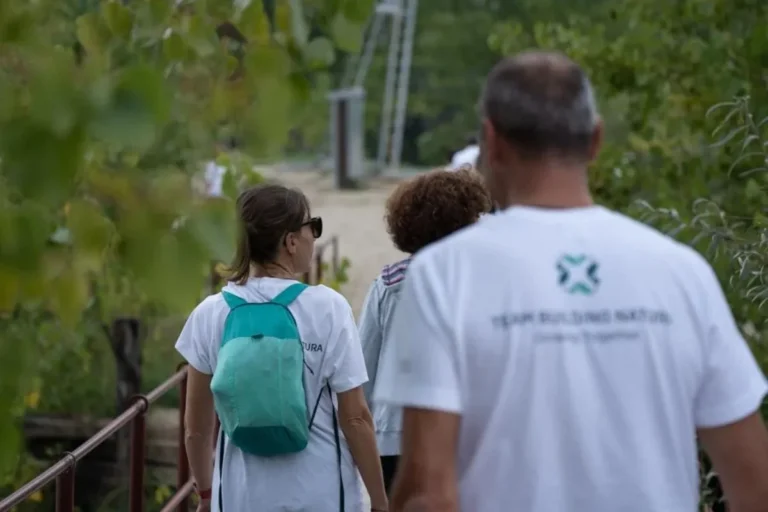
This corporate team building format is particularly close to our hearts. It brings together and draws on the four areas of expertise that define our methodology, creating experiences that use Nature as a source of inspiration to address organizational needs and specific team objectives.
Case study
Being an executive in a large company means taking on significant responsibilities and drawing on skills, experience, and professionalism. But the challenge goes beyond the individual: the organization’s ability to function effectively also depends on how well its leadership team works together.
This is where things become more complicated. Different perspectives, priorities, and viewpoints can lead to different interpretations of the same situation. They can create misunderstandings and fuel tension. People become entrenched in their positions, and relationships gradually deteriorate. Barriers emerge that hinder open dialogue and limit the leadership team’s ability to work as a cohesive team.
This is a common situation, and it is also the starting point for the case study we have chosen to explore the Nature Inspired Learning format.
Context
The project involved the entire leadership team of a company that was a leader in its sector. The organization was facing new challenges that called for strong unity and cohesion, alongside the ability to generate new ideas and solutions to maintain its leading position in the market.
The group brought together the heads of the organization’s main functional areas, with direct involvement from top management. Difficulties were emerging in relationships, communication, and collaboration. These dynamics also tended to affect their respective departments, reinforcing siloed ways of working and making relationships between teams more difficult.
Previous team building initiatives had shown positive signs, but had not brought about lasting change over the medium to long term.
Objectives
The objective was clear from the outset. We needed to address the situation by involving all the key members of the leadership team and creating the conditions for a fresh start.
The two-day team building experience needed to mark a break with the past. It would invite participants to temporarily set aside judgments, beliefs, and established dynamics, and try to see themselves, one another, and the group from a new perspective.
We needed to create a space for open and honest dialogue, like a painter’s blank canvas on which to outline the guidelines for a new shared identity for the leadership team. An identity everyone could relate to.
Location
To develop this project, we needed a location that would physically take the group out of its daily routine. Somewhere they could leave everything behind for two days.
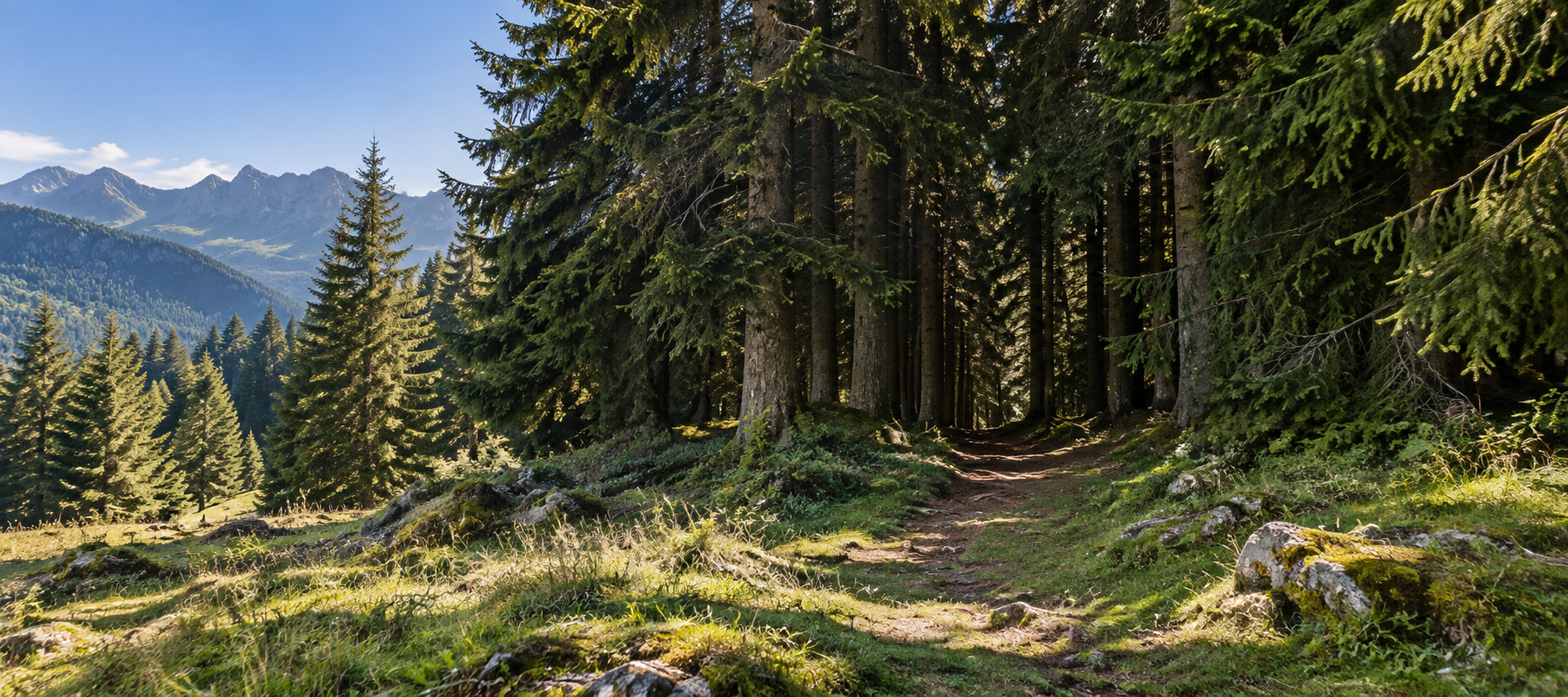
A setting immersed in Nature, away from distractions, surrounded by woodland and forests where we could guide the group through a full and authentic experience.
At the same time, we needed comfortable single rooms and indoor spaces suitable for facilitation sessions and group discussions.
We chose Hotel Spiazzi di Gromo, a venue that offers ideal conditions for our methodology.
The Team Building Natura® Proposal
Starting from the objectives agreed with the HR team, we designed a two-day experience in three successive phases, gradually guiding the group to reconnect and make a fresh start.
We knew we could not simply ask the team to leave established dynamics behind and start collaborating differently. We needed to create the right conditions for open and honest dialogue. A safe space in which to lay the foundations for a new beginning.
With this in mind, we identified three guiding principles that shaped the entire project, organizing the program into three distinct stages.
Wellbeing, Balance, and Presence
The first step was to help the group regain a sense of individual balance and wellbeing. Each team member needed the opportunity to reconnect with themselves and let go, at least temporarily, of thoughts, judgments, and beliefs that might get in the way of the experience.
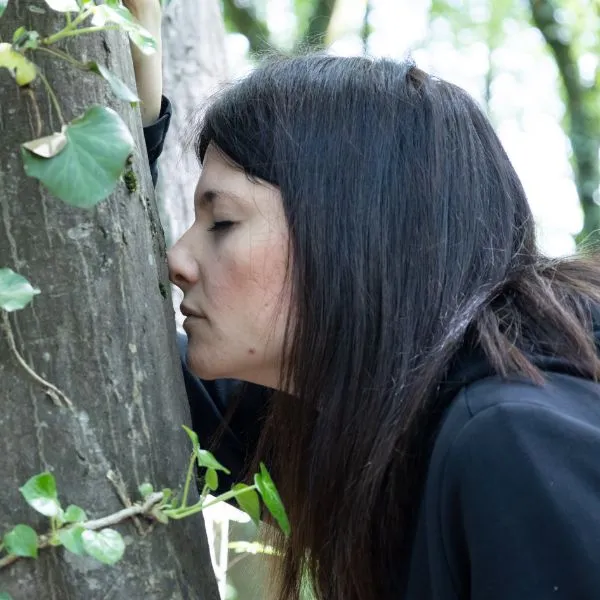
In this preparatory phase, we first invited participants to slow down. To bring their attention to the body and sensory perception. To cultivate presence and enjoy being fully immersed in Nature, away from the pace and demands of everyday life.
Letting go of stress and worries and finding physical and mental wellbeing was a starting point rather than an end in itself. It prepared the ground, helping participants lower their barriers, make space, and open themselves fully to the experience.

Listening, Openness, and Connection
At that point, we could gradually shift the focus to relationships, though in a rather unconventional way.
Our intention was to help participants step outside their usual roles and recognize themselves and one another first and foremost as human beings. Listening, perception, emotional intelligence, and empathy would help us bridge the distance between them and create authentic connections.
Through the activities we offered, participants had the opportunity to become attuned to themselves and one another again, rediscovering the power of human connection. This was a necessary step in creating the space of trust and psychological safety essential for the activities planned for the following day.
Individual and Group Identity
The following morning, we could guide the group toward the objective of the team building experience: making a fresh start.
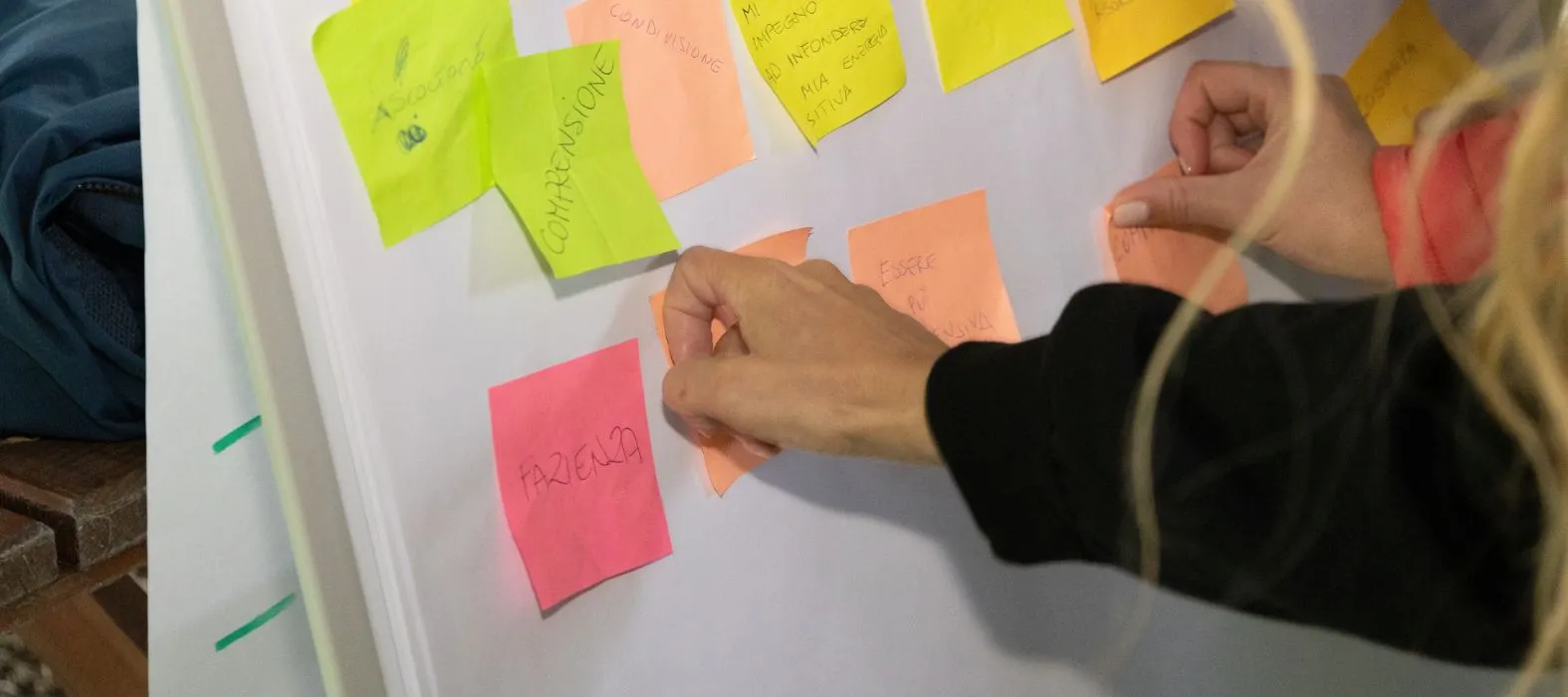
We chose to begin again with the individual dimension, inviting participants to share who they were through their personal values. Understanding what truly mattered to one another would help them make better sense of everyday behaviors and dynamics, prompting new reflections and perspectives.
Working on individual identity would also allow us to take one final, essential step: shifting the focus from “I” to “we.”
Individual identities would become the starting point for a new group identity to emerge, identifying common values everyone could relate to. A shared identity for the leadership team that embraced differences and marked the beginning of a new direction.
Results Achieved
Throughout the two days, the group remained open and willing to engage fully. Even when sensitive and potentially contentious topics emerged, our facilitation helped participants maintain open, honest, and constructive dialogue.
By the end of the experience, participants had identified shared values and new guidelines everyone could relate to, giving concrete shape to the new group identity. This was one of the key steps toward achieving the objective of the team building experience. The group identity was subsequently summarized in a handbook shared within the leadership team.
Feedback from participants and the HR team was very positive, both during and after the team building experience. In particular, they confirmed that it had shifted important dynamics and generated new awareness within the leadership team.
A few weeks later, they also expressed an interest in organizing a follow-up to build on the process we had begun together.
When to Choose Nature Inspired Learning
Through this case study, we hope to have shown how Nature Inspired Learning is a fully tailor-made format. Every project starts from a specific need and aims to achieve clearly defined objectives. We design experiences tailored to each team, drawing inspiration from Nature and the characteristics of the setting. This is why every project is different and unique.
Nature Inspired Learning can be the right choice when you need to address complex organizational issues, encourage open dialogue, support a team through significant change or growth, work on company culture, values, and corporate identity, develop leadership and self-leadership, and much more.
It can also provide an ideal space for discussing very practical issues: imagining new scenarios, rethinking roles and responsibilities, defining shared guidelines or action plans, and exploring new ideas, solutions, and opportunities together.
These are just a few examples. The starting point is different each time, as is the desired outcome. In every case, our role is to design an experience that helps your team make real progress in the direction you want to take
The Journey Continues
With this second case study, we have completed the second stage of our journey through Team Building Natura® experiential outdoor team building formats.
After Natural Team Connection and Nature Inspired Learning, there is just one final format left to explore: The Growing Path, which we will present in the next article.
Keep following us to discover how Team Building Natura® formats can support individuals, teams, and organizations on their development journeys.
If you missed the other articles in this short series, you will find the links below: